Retail isn’t dead, just needed some FRESHening up.
Despite ever-growing online retail buying, some businesses just won’t quit. It’s more than just agreeing to build a beautiful website in addition to the storefront. Sure, a nice site will attract those buyers who left the physical world of shopping for the comfort of buying from the couch, and, in my case, in my pjs. However, businesses like Target and Best Buy haven’t given up on a large set of customers—the shopper who wants to feel a new product in their hands and know it’s the right decision before they buy.
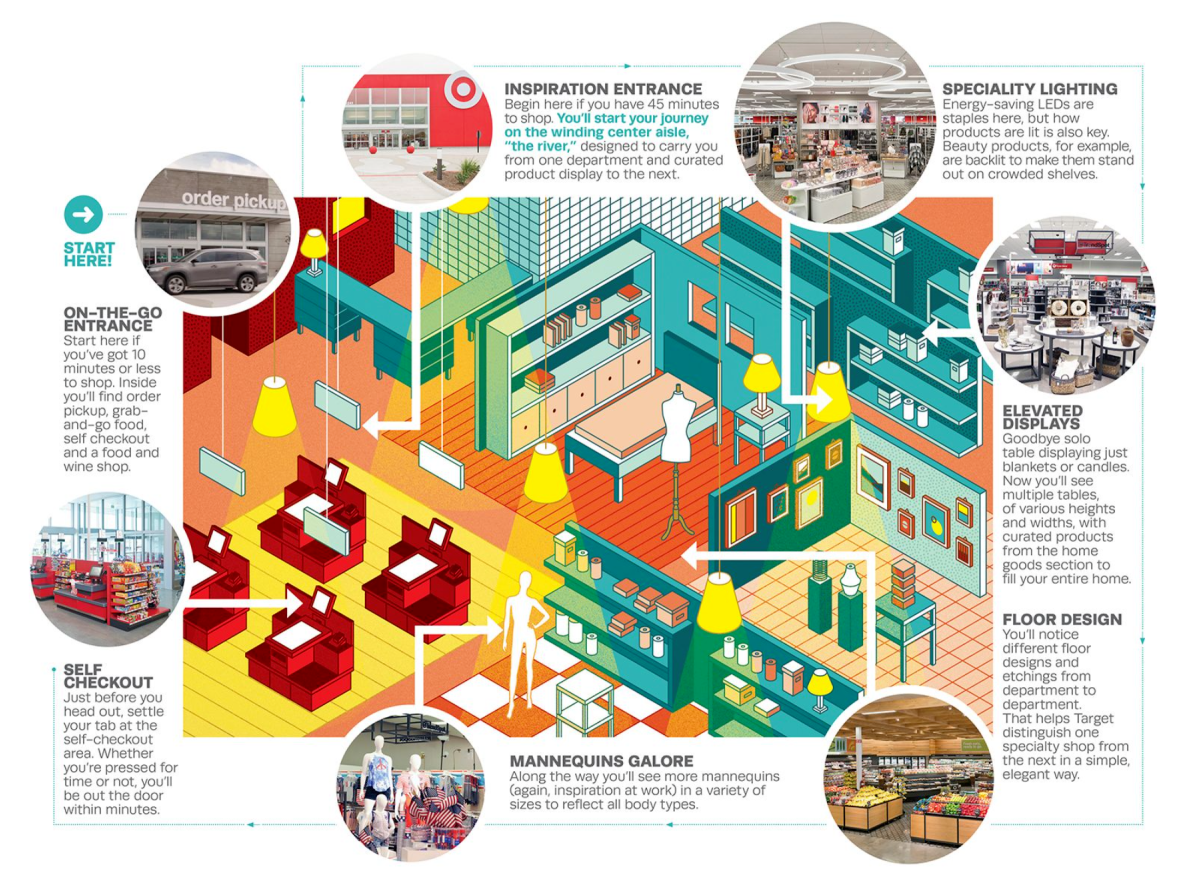
Target recently reinvented their store layout and design, keeping the customer’s experience in mind. Instead of accepting that an in-person shopping model is just defunct now, they’re offering a store that consumers will actually want to walk into.
Instead of accepting defeat, they did some FRESH THINKING.
You probably know that AdSavants is all about that FRESH THINKING. (We can’t stop and we won’t stop.) That’s why we respect Target’s mission to improve the customer experience and how they’re keeping in-store shoppers. They’ve changed the game by adding two entrances—one “Ease” entrance for customers who want to make a quick trip for online pickup or grab groceries, and one full entrance for the casual shopper who wants to look around. There’s even a drive-up parking area to pick up online purchases, so you don’t even need to leave the car. (You mean I can keep listening to my favorite podcast and not have to navigate carts and slow-walkers?!)
There are so many other features to the store. I encourage you to explore more here.
AdWeek made a beautiful infographic of the new store layouts:
Another retailer determined to use FRESH THINKING to enhance in-person sales is Best Buy. Yep, they’re still around. Yep, even after Amazon overtook the tech market. Every time I see a Best Buy, I think, people still go there ? Well, it turns out, people want to explore their electronics before they spend hundreds of dollars. Even if free shipping is in the mix.
According to AdWeek’s Come Back Brands article, Best Buy isn’t what it used to be. They enhanced staff training and visibility. It’s no longer just a large warehouse where you can’t find anyone to help you among the rows and rows of CDs and DVDs. With displays that showcase new tech from partners like Apple, Samsung, and Microsoft, you can adventure through electronics, instead of purely relying on online reviews. Moreover, Best Buy price-matched Amazon, and upped their shipping game.
These are the brands that can compete year-round, not just during the holiday season. The next time you’re out and you ask yourself how a company is still in business, maybe go inside and see what new innovations have been created to keep up with what you want as a consumer. It’s with teams of FRESH THINKERS that brands stay successful.
Post published on
Share This Article
MORE FROM OUR BLOG